Any charger. Any site. Fully turnkey.
We sell and install EV charging hardware from any manufacturer — and handle everything around it: site assessment, design, permitting, electrical, utility coordination, and the energy management that keeps it affordable after it's live.
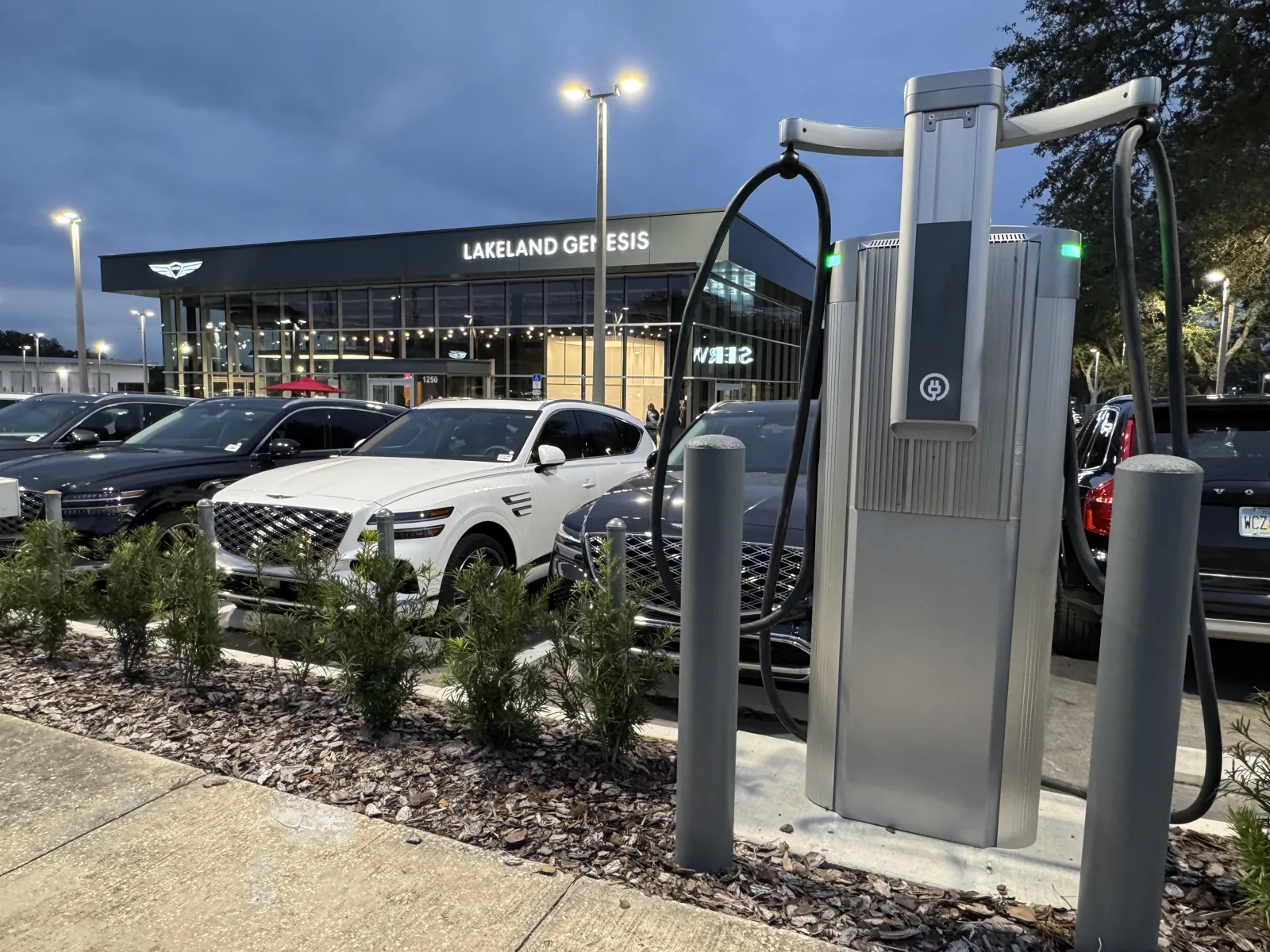
Vendor-neutral, and accountable for the whole thing
We don't sell one brand of charger — we recommend what fits your site, then own the project end to end.
Any brand
ChargePoint, Blink, and others — we specify the hardware that fits your site and goals, not a sales quota.
Truly turnkey
Assessment, design, permitting, electrical, and utility coordination — one team, one point of accountability.
Built to scale
We size the electrical service and layout for what you'll need next, not just day one — so phase two isn't a teardown.
Affordable after install
Energy Guardian manages the load so the utility bill doesn't undo the savings. Installation is only half the job.
Ballpark your charging project
A rough range to start the conversation — real numbers depend on your site, electrical service, and utility.
Rough planning ranges only — not a quote. Actual cost depends heavily on site conditions, trenching distance, existing electrical capacity, and local labor. Service upgrades and make-ready can add significantly. The Section 30C credit is 30% of eligible cost, capped per item and subject to location/eligibility — confirm with a tax professional. Get a real quote →
Installing the chargers is only half the equation.
The other half is the utility bill — and it's where charging projects quietly get expensive. Demand charges can be the single largest line item on a charging site's monthly statement.
Energy Guardian measures, manages, and monetizes your charging load so peak demand — and the bill behind it — stays under control.
What actually drives EV charging project cost
Hardware is only one line item. These are the factors that determine whether your project runs $15,000 or $150,000.
Utility make-ready & service upgrade
If your site's electrical service can't support the new load, the utility must upgrade it — and that can cost $15,000–$60,000+, sometimes more. This is the line item that blindsides most organizations. Good news: utility make-ready programs in many states cover part or all of this cost.
Trenching & conduit run distance
The farther your chargers are from the electrical panel, the more conduit and trenching is required. A 50-foot run might cost $2,000. A 300-foot run through an asphalt parking lot can easily reach $15,000–$25,000. Siting chargers close to the panel is the single easiest way to control project cost.
Charger type & power level
Level 2 chargers (6–19 kW) run $4,000–$8,000 installed per port. DC fast chargers (50–350 kW) run $55,000–$140,000+ per unit — and their electrical requirements are in a different category. Mixing charger types to match actual use cases (overnight fleet charging vs. rapid customer turnaround) keeps the build cost right-sized.
Permitting & utility coordination timeline
Permitting timelines range from two weeks (simple commercial installs in cooperative jurisdictions) to four-plus months (utility interconnection studies, historic districts, complex sites). Utility coordination is often the longest pole in the tent. Starting that process early — before hardware is ordered — is where most schedule gains are found.
Panel & switchgear upgrades
Adding significant electrical load often requires upgrading the main panel, switchgear, or both. A panel upgrade alone can run $8,000–$25,000 depending on the service size and existing infrastructure. Load management software — like Energy Guardian — can sometimes defer or eliminate the need for a larger upgrade by managing when chargers draw power.
Demand charges after go-live
This one isn't a build cost — it's a monthly operating cost that most installers never mention. Demand charges (utility fees based on your peak power draw) can add $1,000–$10,000+ per month after chargers go live, depending on your tariff and load profile. Energy management is the difference between charging infrastructure that pays off and one that quietly bleeds your operating budget. Learn how demand charges work →
Ranges are ballparks for planning purposes. Actual costs depend on site conditions, utility territory, equipment selection, and applicable incentives. Book a strategy call for a site-specific estimate.
Every site is a little different
Installation works the same way everywhere — but the economics, incentives, and payback don't. Jump to your world for the numbers that matter to you.


From site visit to switched on
Assess
Site visit, electrical capacity check, and a plan sized for today and your next phase.
Design & permit
Hardware selection, layout, drawings, permitting, and utility coordination — handled.
Install
Certified electrical and charger installation, commissioned and tested.
Manage
Energy Guardian keeps demand — and the bill — under control after you're live.
Let's scope your install
Tell us about your site and we'll map the hardware, the work, and the incentives — no obligation.
Schedule a strategy call →